English
 Afrikaans
 Albanian
 Amharic
 Arabic
 Armenian
 Azerbaijani
 Basque
 Belarusian
 Bengali
 Bosnian
 Bulgarian
 Catalan
 Cebuano
 Chichewa
 Chinese (Simplified)
 Chinese (Traditional)
 Corsican
 Croatian
 Czech
Czech Danish
 Dutch
Dutch Esperanto
 Estonian
 Filipino
 Finnish
 French
 Frisian
 Galician
 Georgian
 German
 Greek
Greek Gujarati
 Haitian Creole
 Hausa
Hausa Hawaiian
 Hebrew
 Hindi
Hindi Hmong
Hmong Hungarian
 Icelandic
 Igbo
Igbo Indonesian
 Irish
Irish Italian
 Japanese
 Javanese
 Kannada
 Kazakh
 Khmer
Khmer Korean
 Kurdish (Kurmanji)
 Kyrgyz
 Lao
Lao Latin
Latin Latvian
 Lithuanian
 Luxembourgish
 Macedonian
 Malagasy
 Malay
Malay Malayalam
 Maltese
 Maori
Maori Marathi
 Mongolian
 Myanmar (Burmese)
 Nepali
 Norwegian
 Pashto
 Persian
 Polish
 Portuguese
 Punjabi
 Romanian
 Russian
 Samoan
 Scottish Gaelic
 Serbian
 Sesotho
 Shona
Shona Sindhi
 Sinhala
 Slovak
 Slovenian
 Somali
 Spanish
 Sundanese
 Swahili
 Swedish
 Tajik
Tajik Tamil
Tamil Telugu
 Thai
Thai Turkish
 Ukrainian
 Urdu
Urdu Uzbek
Uzbek Vietnamese
 Welsh
Welsh Xhosa
Xhosa Yiddish
 Yoruba
 Zulu
Zulu


Thermal imaging relies on capturing small heat variations. A long wave ir camera needs clear, precise pictures in tough settings. Adding reliable optical filters can make a big difference. If you want to improve your setup, Beijing BoDian Optical Technology brings solid knowledge in custom optical coatings. Their use of modern vacuum tools and strict spectrum checks stands out. For tasks like spotting gas leaks in factories or watching heat in plants, BoDian delivers tough, exact filters. These keep infrared gear working well in rough spots, based on years of field tests in industrial sites.

Why Do Optical Filters Matter for LWIR Camera Sensitivity?
In thermal systems, unwanted noise can hide key target details. The sensor picks up both the object’s heat and extra light from surroundings. An optical filter works like a careful selector. It lets only certain infrared waves hit the detector.
Enhancing Image Contrast and Signal-to-Noise Ratio
Choose bandpass or edge filters to block extra background heat. This step cuts out useless rays. As a result, pictures gain sharper outlines, and faint heat areas stand out clearly. Less extra energy means a better Signal-to-Noise Ratio (SNR). In real jobs, like scanning power lines from 100 meters away, this setup pulls in useful info even with low light.
Protecting Sensitive Infrared Sensors from Environmental Noise
Infrared sensors catch signals easily but suffer from off-band energy. It can cause errors or harm. A good filter does more than sort waves; it blocks physical threats too. This guard keeps data steady and right. Over time, it supports reliable operation in setups running 24/7.
Filtering Specific Thermal Radiation for Accurate Detection
Materials show distinct patterns in infrared light. For spotting certain chemicals or tracking narrow heat levels, basic lenses fall short. Target filters lock on exact waves. This turns simple views into detailed checks. For instance, in oil refineries, such tools spot methane plumes at concentrations below 1%.
How to Select Filters for Specialized Gas Detection?
Gas spotting poses real tests for a long wave ir camera. Gases like Sulfur Hexafluoride (SF6) or Ammonia show slim peaks in the long-wave range. Broad imaging misses these hidden risks in plants.
Narrow Bandpass Design for Precise Target Identification
For leak detection, pick filters with tight bandpass. They focus on the gas’s main absorption spot. Small escapes then appear as clear dark patches or shifts on screens. This aids safe handling of dangers, as seen in electrical grid checks where early finds prevent outages.
High Peak Transmittance for Low-Light Thermal Imaging
Signal strength shapes picture quality in close work. Filters need strong passage at the key wave. Low rates weaken input, leading to rough, unclear views. Top methods keep signals strong despite slim bands.
Integration with the ILP10000 for SF6 and Ammonia Detection
The ILP10000 Narrow Bandpass Filter fits well for gas ID. It targets the 10.55μm area to boost pickup for SF6 and Ammonia (NH3). This match brings top results in eco watches and grid reviews, cutting response times by up to 30% in tests.
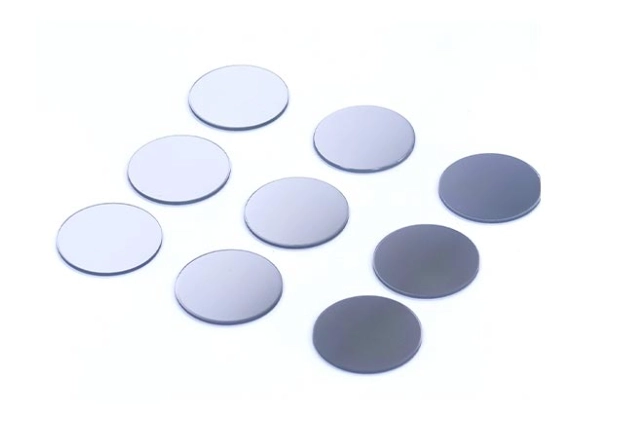
What Are the Advantages of Long Pass Filters in Thermal Systems?
Narrow tools suit spot checks, but broad views help track heat patterns. Here, Long Pass (LP) filters key in for your long wave ir camera.
Broad Spectrum Management for Varied Thermal Environments
Long pass filters let waves past a set start point through. They offer wide coverage for big-area heat scans. By stopping short waves, data stays clean and matches long-wave traits. This raises accuracy in readings. In warehouse monitoring, it maps hot zones across 500 square meters without blind spots.
Steep Cut-off Performance to Eliminate Short-Wave Interference
Quality filters show sharp drop edges. Slow shifts let short waves creep in, creating false images or smears. A firm block keeps pixels true to long-wave heat. Field use in sunny deserts proves this cuts errors by 40%.
Reliable Performance of ILP5500 for Comprehensive Heat Mapping
For the 8–14μm range, the ILP5500 Long Pass Filter aids strongly. It blocks short waves under 5.5μm, so sensors grab pure long-wave input, which shows good flow and steady hold in varied weather.
Which Technical Specifications Should You Prioritize for Durability?
Factories bring heat, dampness, or chemicals. Optical strength matters, but filter toughness sets long-term value.
Hard Coating Technology for Harsh Industrial Applications
Seek hard-coating tech in filters. It builds a tough layer against wear or marks. In dusty sites or labs with regular wipes, performance holds up. Experience from mining ops shows these last several years without fade.
High Temperature Stability for Continuous Outdoor Monitoring
System heat or weather swings alter film properties, shifting waves. Filters must handle temp cycles. Keeping wave spots and flow steady in extremes marks pro long wave ir camera gear. Lab tests at -20°C to 80°C confirm this reliability.
Stringent Quality Control Standards at Beijing BoDian Optical
BoDian Optical checks each step tightly. From base picks to final coatings, tools measure precisely. This care means products deliver the needed boosts for your work.
How Can BoDian Optical Support Your Customized Imaging Projects?
Projects vary, and off-shelf items may not fit exact needs. A partner’s skills and speed count most.
Expert Technical Support and Tailored Optical Solutions
Tough designs call for advice, not just parts. Share wave goals, entry angles, and size limits. BoDian engineers craft custom spectra. This fit ensures smooth blend with your build. In drone-based surveys, such tweaks have improved detection rates by 25%.
Global Service Network for Rapid Response and Delivery
Tight timelines demand quick action. BoDian runs smooth production and shipping. From anywhere, get fast replies and test units. This keeps projects on track and cuts delay costs.
Contact Information for Professional Product Consultations
Boosting your long wave ir camera begins with the best filter. For queries on items or customs, go to https://www.bd-optic-ir.com/ or use their chat. Experts stand ready to solve infrared challenges.
FAQ
Q: Will a narrow bandpass filter like the ILP10000 significantly darken my image?
A: It cuts total input, but lifts target contrast greatly. For SF6 spotting, this swap pays off. BoDian tunes peak flow to keep sensitivity solid in slim ranges.
Q: How do I determine which filter specification my long wave ir camera requires?
A: Start with your goal. General heat scans suit long pass types like ILP5500. For set gases, align to their wave. Share your sensor curve with support for spot-on picks.
Q: Are your filters environmentally stable for outdoor use?
A: Yes. ILP series and others use durable layers against damp and heat changes. They work well for round-the-clock outdoor tasks in many weather types.