English
 Afrikaans
 Albanian
 Amharic
 Arabic
 Armenian
 Azerbaijani
 Basque
 Belarusian
 Bengali
 Bosnian
 Bulgarian
 Catalan
 Cebuano
 Chichewa
 Chinese (Simplified)
 Chinese (Traditional)
 Corsican
 Croatian
 Czech
Czech Danish
 Dutch
Dutch Esperanto
 Estonian
 Filipino
 Finnish
 French
 Frisian
 Galician
 Georgian
 German
 Greek
Greek Gujarati
 Haitian Creole
 Hausa
Hausa Hawaiian
 Hebrew
 Hindi
Hindi Hmong
Hmong Hungarian
 Icelandic
 Igbo
Igbo Indonesian
 Irish
Irish Italian
 Japanese
 Javanese
 Kannada
 Kazakh
 Khmer
Khmer Korean
 Kurdish (Kurmanji)
 Kyrgyz
 Lao
Lao Latin
Latin Latvian
 Lithuanian
 Luxembourgish
 Macedonian
 Malagasy
 Malay
Malay Malayalam
 Maltese
 Maori
Maori Marathi
 Mongolian
 Myanmar (Burmese)
 Nepali
 Norwegian
 Pashto
 Persian
 Polish
 Portuguese
 Punjabi
 Romanian
 Russian
 Samoan
 Scottish Gaelic
 Serbian
 Sesotho
 Shona
Shona Sindhi
 Sinhala
 Slovak
 Slovenian
 Somali
 Spanish
 Sundanese
 Swahili
 Swedish
 Tajik
Tajik Tamil
Tamil Telugu
 Thai
Thai Turkish
 Ukrainian
 Urdu
Urdu Uzbek
Uzbek Vietnamese
 Welsh
Welsh Xhosa
Xhosa Yiddish
 Yoruba
 Zulu
Zulu


In the careful area of optoelectronics, choosing the proper Infrared Optical Filter shapes the outcome of the whole sensing or imaging device. Developers often work on gas finders or clear heat cameras, and the wave behavior of the filter sets how well the tool deals with unseen rays. Handling the details of wave length rules and base toughness demands more than a simple spec list. It calls for a thoughtful plan in finding suppliers.
From years in the area, the best team can change a whole effort. When searching for a solid maker that mixes skill with big production, BoDian Optical shows as a leading pick. The company focuses on fine thin-layer covers and vacuum tools. It offers made-to-fit answers that handle the tough wants of business buyers around the world. A strong focus on standards and tech advice means parts come shaped for exact spot and light needs. This makes the firm a solid base for those building new things in the infrared field.

Why Is Precision Infrared Filtering Critical for Industrial Performance?
Work places naturally hold extra buzz with random light and heat base rays that can quick overload a fine picker. Sharp filtering works as the door watcher for the device. It makes sure only needed light bits get to the sensor. Lacking this hold, data truth falls off, and device steadiness turns into a weak spot.
Enhancement of Signal-to-Noise Ratio in Sensing Systems
A good filter lifts the signal-to-noise level by pulling out goal waves. Equipment can then spot tiny shifts in rays, a must for jobs such as far heat checks or substance naming. The narrow light slot cuts out mix-ins that cause wrong alerts or number slides. Thus, clearer outputs come from better picks.
Protection of Sensitive Sensors from Thermal Interference
Infrared sensors face heat harm or full load often. Strong filtering turns back or takes up extra heat force before it hits the picker. Such guard keeps the heat balance in the tool, which stretches work life and holds even output in warm work areas.
Improvement of Accuracy in Environmental and Medical Monitoring
In spots like health checks and air watch, exact work stays a must. Filters with fast changes and strong block out of band keep reads even over groups and places. This steadiness grows faith in the final good, above all when safety or rule follows matter.
How to Choose Infrared Filters for Thermal Imaging Systems
Picking a filter for heat viewing means weighing pass rate against wave sharpness. One must look at the picker’s top feel and air slots where rays move best. These factors guide the best match for the setup.
Best Infrared Optical Filter for Industrial Gas Analysis
For gas spotting work, the wave sign of the goal bit sets the pick. The ILP3000 longpass filter offers a strong answer for these tasks. It lets rays over 3000nm through with fine rate, while stopping shorter waves that might muddle the sign. As a result, it becomes a key piece for plant gas check devices. These need firm, lasting work in tracking fuels or other ray-working gases.
Which Shortpass Solutions Optimize Performance in Mid-Infrared Regions?
Longpass filters let light past a fixed spot, but shortpass filters block longer waves instead. This proves handy when focusing on mid-ray zones and skipping the thick heat base from long parts.
Efficient Suppression of Unwanted Long-Wave Background Noise
Shortpass filters matter for fast light work, where long-ray buzz can spark fade or delay in sensor reply. A sharp cut at the spectrum end gives a clean, quick data flow to handlers. This keeps processing smooth and clear.
High-Stability Solution for Harsh Environments
The ISP10900 shortpass filter sets the needed stop at 10900nm. It fits well for devices running near the long-ray border. The tough cover build keeps wave lines from big moves with heat changes. Therefore, it supplies the firm hold for gear placed out in work fields.
What Benefits Do Wide Bandpass Filters Provide for Multi-Band Sensors?
Bandpass filters aim to send a set light slot. Sensors grabbing varied data spots in one wave zone benefit from a broad bandpass. It brings needed bend without losing block force.
High Transmission Bandpass Filters for Mid Infrared Region
Reaching high pass over a wide band poses a build hurdle. A filter must hold a level top in its pass line to skip sign bend. The IWBP5600-6800 builds for this goal. It covers 5.6μm to 6.8μm, giving a broad, open slot for multi-wave checks. This works best in tough plant tests with many stuff parts in one band.
Comparing Infrared Longpass vs Bandpass Filters for B2B Sourcing
Picking longpass or bandpass links to device build wants. Longpass brings easy plans and lower cost for broad catch often. Still, bandpass gives the fine cut needed to pull out set events.
Narrow Bandpass Infrared Filter for Precise Spectral Sensing
When a task aims at one stuff peak, a tight bandpass filter stays vital. The INBP10485 acts as a top sample, hitting the 10.485μm wave. This Narrow bandpass infrared filter for precise spectral sensing clears near all around buzz. It turns the picker full to the goal. Such cut holds the way to high-detail outcomes in special light study.
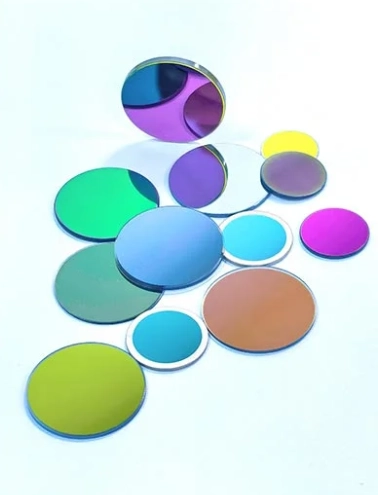
Custom Infrared Optical Filter Manufacturing for Global Supply Chains
For business finding worldwide, tailoring parts counts as much as wave rules. Usual goods seldom match the odd build and light marks of top private devices.
Custom Thin-Film Coating Capabilities and Technical Support
A maker with tailor thin-layer cover can shift the main wave, band size, and base measure to suit the shell. This aid cuts build load inside and makes sure the Infrared Optical Filter joins smooth into the make line.
Reliable Quality Control for Global Supply Chain Integration
Evenness forms the core of good chains. In finding Custom infrared optical filter manufacturing for global supply chains, partners with strict tests and papers stand out. This makes the last filter work just like the first. It stops high-cost halts or good pulls in world sales.
Conclusion
Selecting the right Infrared Optical Filter mixes light rules, build skills, and planned finding. Through Comparing infrared longpass vs bandpass filters for B2B sourcing, the best road for item growth appears. If a task wants the wide span of longpass or the fine slice of tight bandpass, teaming with a pro maker keeps tech in the lead of the field.
FAQ
Q: How do I determine the best center wavelength for my filter?
A: Set the choice on the take-up peak of the stuff being spotted or the top feel of the infrared sensor. Seek advice from a tech guide to make the band tight enough for noise block yet broad for sign changes.
Q: Can these filters withstand extreme industrial temperatures?
A: Yes, filters made for plant use draw on hard-cover methods. These covers resist heat shifts and damp air well. They keep wave traits steady in rough spots like motor rooms or chem works.
Q: What is the typical lead time for a custom Infrared Optical Filter?
A: Wait times change with cover build and base rules. Teaming with a full maker speeds test builds and even bulk output. Times often span a few weeks to some months, tied to load and tailor amount.