The Growing Importance of Optical Components in IVD Technology
In vitro diagnostics has advanced well past basic lab tests. Today’s diagnostic tools depend on exact optical detection techniques to spot biomarkers, germs, and genetic markers quickly and correctly. For instance, fluorescence immunoassays and molecular diagnostics both center on optical parts.
As these diagnostic devices keep improving, the need for reliable, exact optical filters and coatings has risen fast. A minor shift in wavelength precision or light passage efficiency can affect signal spotting and the whole system’s dependability. Therefore, tool makers are focusing more on how they design and build these optical parts.
In this fast-growing area, expert makers help connect optical design with actual medical uses. One key chance to see these options up close comes at the 23rd China International In Vitro Diagnostic Expo, where top industry figures meet to talk about new ideas, supply lines, and future diagnostic setups.

Bodian Optical at the 23rd China International IVD Expo
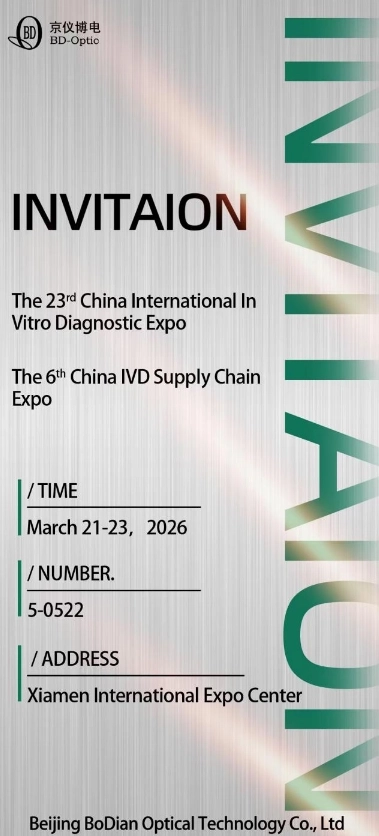
The 23rd China International In Vitro Diagnostic Expo and the 6th China IVD Supply Chain Expo occurs from March 21 to March 23, 2026, right at the Xiamen International Expo Center. This show has turned into one of the top gatherings in the diagnostic field throughout Asia, as it pulls in makers, research groups, and tech suppliers from various places.
At the show, Bodian Optical will showcase its optical answers made just for IVD setups. People can spot the firm at Booth 5-0522, and there the staff will explain various exact optical filters and coatings that go into diagnostic tools.
This gathering does more than show off goods. It builds a space where tool builders, lab workers, and part providers can share thoughts on real issues in diagnostic setups. Talks usually touch on subjects like signal steadiness, exactness in fluorescence spotting, and lasting dependability of optical parts during ongoing tool use.
For firms building fresh diagnostic platforms, chatting directly with part experts often gives useful knowledge that specs alone cannot offer.
Precision Optical Filters Designed for Diagnostic Instruments
Optical filters form a key piece in lots of diagnostic spotting systems. Take fluorescence-based tests, for example; here, the light for exciting and the light given off need sharp separation so tools can pick up faint signals while cutting out extra noise.
Such demands have driven filter tech to stricter limits and stronger control over light spectra. Bodian Optical puts strong effort into thin-film coating plans and stacked interference layers that let through very set wavelengths.
The bandpass filters shown at the show fit fluorescence spotting systems found in immunoassay machines, PCR tools, and other light-based diagnostic gear. This type of filter allows one or more passbands to transmit while blocking non-target wavelength bands, which aids tools in grabbing true emission signals from glowing tags.
A smartly made bandpass filter boosts the ratio of signal to noise and supports steady results over many tests. In labs that handle tons of samples each day, this evenness matters a great deal.
Another vital point is how well they hold up in different settings. Diagnostic tools might run non-stop for long stretches, so their optical parts need to keep steady work amid changing heat, moisture, and light levels. Top-notch coating methods cut down on shifts in light spectra and ensure solid work over periods.
Optical Coatings Supporting Reliable Medical Devices
Past single filters, optical coatings serve a wider job in diagnostic tools. They manage bounce-back, passage, and light spectrum traits on optical faces within the gear.
To give an example, coatings that cut reflection boost light flow, so sensors get firmer signals. Coatings that reflect might guide light well along paths in the tool. Special stacked coatings can also shape light response to fit the spotting needs of certain tests.
Making these coatings calls for smart choice of materials and tight control over layer depths. In stacked interference coatings, every thin layer adds to the end light spectrum action of the filter. Since layers work together, even a tiny change in depth can move the aimed wavelength.
For this reason, today’s optical filter making leans on fresh deposit methods and check systems to keep things uniform in batches. Makers of diagnostic gear often seek providers who can give steady optical work, above all when tools get made in big numbers.
This stands as one cause why teamwork between optical pros and tool planners grows more usual. Early talks help make sure filters and coatings fit the light setup of the diagnostic system.
Custom Optical Solutions for Emerging Diagnostic Platforms
Though many diagnostic tools use common optical parts, more new platforms need made-to-order optical fixes. Tests for molecules, handheld checking systems, and on-site devices often face unique limits unlike old lab machines.
These setups might call for small light paths, special wavelength mixes, or filters built to pair with tiny light makers and sensors. Thus, off-the-shelf items sometimes fail to cover all needs of these tools fully.
Tailored optical filters let tool builders align their spotting plans better. By tweaking center wavelengths, width of bands, and stop ranges, optical pros can adjust filter work to the precise wants of a diagnostic test.
This kind of tailoring also counts when fitting optical units into small diagnostic gear. Tight systems offer less space for light tweaks, so part exactness turns even more key.
Lately, the drive for quicker checks and spread-out testing has sped up this shift. Lots of fresh tools aim for clinics, urgent spots, or moving labs. Optical parts in these places must stay steady while making the tool straightforward and small.
Collaboration Driving Innovation in Diagnostic Optics
Shows like the China International IVD Expo give a stage where part providers and diagnostic makers can check new team chances. Optical design seldom stands alone; it has to line up with sensor feel, light maker traits, and the full tool layout.
When builders team up tight with optical experts from the start of planning, likely problems get fixed before big making starts. This usually shortens planning times and aids in rolling out new diagnostic tech smoother.
For providers, straight chats with tool makers also show rising patterns. Take fluorescence multiplexing; it grows more usual in high-level diagnostic tests. These setups need several filters with well-split light channels. Grasping these wants lets optical part makers polish plans and build more focused fixes.
Over time, the win of today’s diagnostic systems rests not just on bio supplies and math models but also on how solid their real parts are. Optical filters might look minor next to the whole tool, but their job in signal spotting makes them basic to check exactness.
Looking Ahead to the Future of Diagnostic Optics
The diagnostic field keeps widening as health setups stress early spotting, fast checks, and exact medicine more. Optical tech will stay a main part of this change.
Steps forward in fluorescence spotting, digital PCR, and next-gen bio sensors push optical part work to fresh heights. Tighter band widths, better stop levels, and stronger coating steadiness turn into standard asks.
At the same time, makers seek ways to make diagnostic setups easier to reach. Handheld gear, on-site checkers, and auto lab platforms all depend on small but solid optical units.
This mix of tech steps and real needs makes a lively spot for optical design. Providers who get both the rules of thin-film coatings and the wants of diagnostic tool planners will keep a strong role in the field.
Events like the 23rd China International IVD Expo give a look at this shifting scene. They let field pros see fresh tech hands-on, talk real issues, and form ties that back future new ideas.
Pros heading to the show in Xiamen can check exact optical filters and coating tech made just for diagnostic uses. These talks often start new thoughts that form the next wave of medical gear.
FAQ
Q1: What are optical filters used for in IVD diagnostic instruments?
A: Optical filters help manage which light wavelengths hit the sensor in diagnostic systems. In fluorescence tests, they split exciting light from given-off signals, so tools can measure the glow from bio samples correctly.
Q2: Why are bandpass filters important for fluorescence detection?
A: Bandpass filters let a set range of wavelengths pass but block the rest. This aids tools in spotting the needed fluorescence signal with little extra noise, which raises check feel and evenness.
Q3: Can optical filters be customized for specific diagnostic devices?
A: Yes. Many diagnostic tools need tailored optical filters with set center wavelengths, band widths, and stop ranges. Tailored fixes help align filter work to the true light plan of the tool.

 Afrikaans
 Albanian
 Amharic
 Arabic
 Armenian
 Azerbaijani
 Basque
 Belarusian
 Bengali
 Bosnian
 Bulgarian
 Catalan
 Cebuano
 Chichewa
 Chinese (Simplified)
 Chinese (Traditional)
 Corsican
 Croatian
 Czech
Czech Danish
 Dutch
Dutch English
 Esperanto
 Estonian
 Filipino
 Finnish
 French
 Frisian
 Galician
 Georgian
 German
 Greek
Greek Gujarati
 Haitian Creole
 Hausa
Hausa Hawaiian
 Hebrew
 Hindi
Hindi Hmong
Hmong Hungarian
 Icelandic
 Igbo
Igbo Indonesian
 Irish
Irish Italian
 Japanese
 Javanese
 Kannada
 Kazakh
 Khmer
Khmer Korean
 Kurdish (Kurmanji)
 Kyrgyz
 Lao
Lao Latin
Latin Latvian
 Lithuanian
 Luxembourgish
 Macedonian
 Malagasy
 Malay
Malay Malayalam
 Maltese
 Maori
Maori Marathi
 Mongolian
 Myanmar (Burmese)
 Nepali
 Norwegian
 Pashto
 Persian
 Polish
 Portuguese
 Punjabi
 Romanian
 Russian
 Samoan
 Scottish Gaelic
 Serbian
 Sesotho
 Shona
Shona Sindhi
 Sinhala
 Slovak
 Slovenian
 Somali
 Spanish
 Sundanese
 Swahili
 Swedish
 Tajik
Tajik Tamil
Tamil Telugu
 Thai
Thai Turkish
 Ukrainian
 Urdu
Urdu Uzbek
Uzbek Vietnamese
 Welsh
Welsh Xhosa
Xhosa Yiddish
 Yoruba
 Zulu
Zulu