Infrared optical systems have grown far beyond simple lab tests or military tasks. These days, they serve as key parts in factory checks, heat-based imaging, gas detection, health evaluations, and surroundings oversight. As such systems aim for greater pickup strength and narrower output bounds, surface bounce turns into a frequent but often ignored issue. And even minor drops at light junctions can weaken signal clarity while impacting read precision.
Infrared anti-reflective coatings handle this matter straight away. Through guiding light’s contact with optical faces, these layers assist infrared systems in providing purer signals, firmer light passage, and steadier results in tough settings. Thus, for builders and system assemblers, selecting the suitable coating has become a vital planning choice rather than something extra.

Understanding Infrared Anti-Reflective Coatings
In plain terms, an anti-reflective coating works to lessen undesired bounce as light moves across an optical face. Within the infrared spectrum, such bounce losses tend to be much larger compared to visible light paths, owing to material bend factors and extended wave lengths. Hence, lacking adequate coatings, a clear chunk of infrared power simply misses the sensor.
The problem intensifies particularly in setups with multiple light components. For instance, every untreated face builds up added losses, random bounces, and extra backdrop noise. So, infrared anti-reflective coatings employ thoughtfully planned thin-film setups to nullify bounced waves, thereby letting more practical light proceed. Consequently, this yields boosted passage, sharper visuals, and enhanced signal steadiness.
Moreover, since infrared systems frequently operate in faint-signal or elevated-heat scenarios, the coating’s output needs to hold firm amid pressures. As a result, this sets tough standards for coating planning, layer application oversight, and material choices.
Why Reflection Control Matters in Infrared Systems
Infrared light paths differ from visible ones in various key aspects. Infrared sensors commonly manage softer signals, broader light spectra, and keener response to disturbances. Therefore, a small bounce might create phantom visuals, lessen sharpness, or warp data captures.
Such difficulty stands out more in uses like gas spotting or heat visuals, where exactness relies on seizing fine variations in infrared waves. In those instances, bounce reductions lead right to lowered sensing thresholds or unsteady outputs.
Furthermore, a soundly crafted anti-reflective coating enhances passage over the intended wave span while minimizing uptake. It further aids in keeping system output even as light entry angles vary, something typical in practical light groupings.
Infrared Wavelength Bands and Application Demands
Infrared systems span a broad light spectrum, with each section carrying distinct tech needs. Short-wave infrared generally targets substance reviews and detection. Mid-wave infrared finds broad application in heat devices and gas studies. Long-wave infrared leads in areas like oversight, surroundings checks, and heat assessments.
Given these variations, one coating answer seldom meets every requirement. Therefore, coatings require adjustment to particular wave sections to provide genuine output improvements. And this is precisely where tailored infrared anti-reflection filters prove vital.
Bodian Optical targets this precise difficulty by supplying infrared anti-reflective filters crafted for set wave sections instead of all-around options. Consequently, this method enables system creators to align coating output precisely with task specifics.
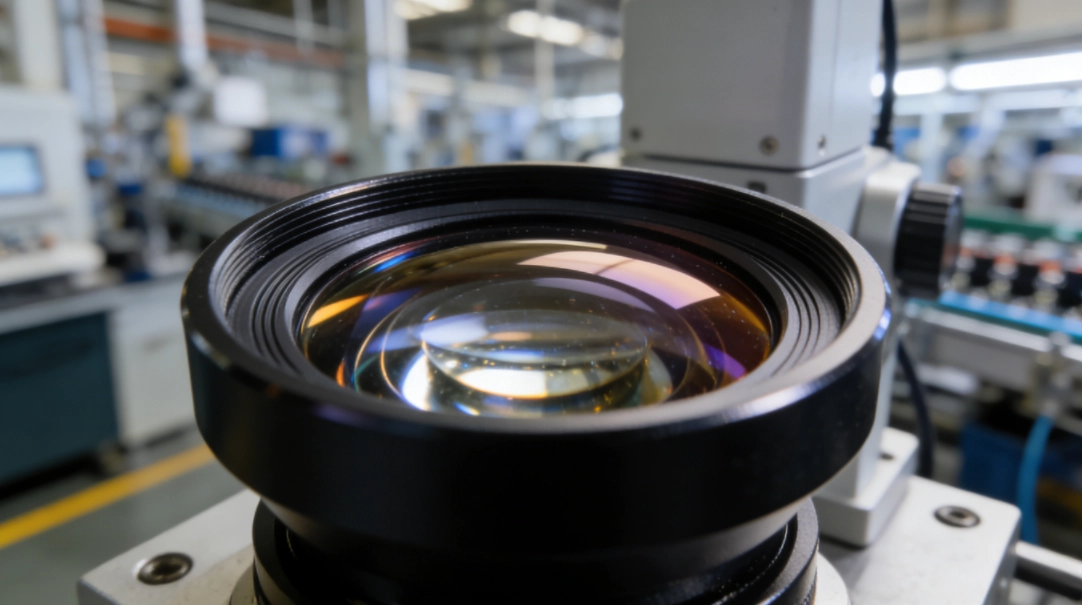
The Role of Infrared Anti-Reflective Coatings in System Performance
Infrared anti-reflective coatings go beyond mere passage figures in spec lists. Rather, they shape the enduring steadiness of optical setups and their handling of varying circumstances.
Elevated passage boosts sensor effectiveness and permits systems to function on reduced signal intensities. Lesser bounce diminishes inner disturbances and curbs visual defects. Moreover, in numerous situations, superior coatings lessen the demand for elaborate signal treatment, because the light input reaches in a clearer form initially.
Toughness represents yet another element that demands attention. Infrared systems routinely function in areas featuring warmth, moisture, or physical strain. Thus, coatings have to preserve output absent flaking, displacement, or breakdown. And this ongoing dependability holds utmost importance for factory-based and on-location systems.
Bodian Optical’s Approach to Infrared Anti-Reflection Filters
Bodian Optical excels in infrared light layers, placing heavy emphasis on firmness, spectrum precision, and task-oriented planning. Instead of providing standard AR films, the firm creates filters suited to defined infrared wave sections routinely employed in actual systems.
This strategy aids light specialists seeking dependable output without prolonged testing phases. Each item aims to supply elevated passage inside its focused section, all while upholding robust defense against external factors.
Subsequent parts present three infrared anti-reflective filters from Bodian Optical, which gain widespread adoption in diverse infrared uses.
IAR2000-5000 Infrared Anti-Reflection Filter
The IAR2000-5000 infrared anti-reflection filter suits the 2–5 µm wave section, frequently linked to mid-wave infrared tasks. This section enjoys extensive use in spectrum studies, gas examinations, and select heat imaging devices.
Even flow among light parts proves crucial here, for tiny bounce reductions can influence read accuracy. Accordingly, the IAR2000-5000 filter diminishes face bounce and bolsters passage uniformity throughout the section, thus enabling systems to seize additional practical infrared power.
Designers often choose this filter for setups requiring trustworthy mid-wave results in managed or production environments. Additionally, its layer framework ensures firmness amid warmth fluctuations, rendering it apt for extended use.
IAR3000-5000 Infrared Anti-Reflection Filter
Although sharing ground with mid-wave infrared, the 3–5 µm section presents unique hurdles. Numerous heat devices and detection setups depend on this section for its solid reaction to warmth traces and gas uptake patterns.
Hence, the IAR3000-5000 infrared anti-reflection filter concentrates solely on this slimmer section. Through customizing the layer plan to 3–5 µm, it achieves heightened passage effectiveness in critical areas, avoiding dilution over irrelevant waves.
Such precise crafting assists heat imaging devices in attaining superior sharpness and purer signal delivery. It holds special value in scenarios prioritizing exactness and consistency over extensive spectrum reach.
IAR8000-14000 Infrared Anti-Reflection Filter
Long-wave infrared setups function within the 8–14 µm section, indispensable for heat imaging, surroundings oversight, and protection tasks. This section responds keenly to heat emissions, thus heightening the need for bounce management.
The IAR8000-14000 infrared anti-reflection filter works to lessen face bounce throughout this expansive long-wave section. It bolsters setups needing firm heat reactions and uniform visual output in external or severe conditions.
This filter appears routinely in heat devices and oversight systems, where sustained dependability equals light effectiveness in priority. Furthermore, its layer framework withstands warmth shifts and external contact without output variance.
Choosing the Right Infrared AR Filter
Opting for an infrared anti-reflective filter begins with grasping the functional wave section. A filter excelling beyond the aimed section contributes minimal benefit and could impose needless reductions.
System creators ought to evaluate functional states too, encompassing warmth spans, moisture contact, and physical loads. Aligning layer endurance with setting requirements prevents premature output decline.
Bodian Optical’s array of infrared anti-reflective filters offers straightforward choices for varied wave sections, simplifying the choice procedure. Rather than modifying a universal coating for a targeted purpose, creators may commence with a pre-tailored answer.
Integration Considerations for Optical Systems
The finest coating still requires apt incorporation to yield complete advantages. Face condition, base substance, and attachment techniques all sway ultimate output.
Layers should match with bases that align to the light and warmth demands of the setup. Physical strain amid fitting must lessen to safeguard layer wholeness. Consequently, addressing these elements at the outset of planning renders infrared anti-reflective coatings a robust aid instead of a constraint.
Conclusion
Infrared anti-reflective coatings stand as core components in current infrared light paths. They diminish bounce reductions, enhance signal strength, and uphold firm system output amid challenging tasks. As infrared advancements broaden into emerging domains, dependable coatings’ significance intensifies further.
Bodian Optical fulfills this demand via infrared anti-reflection filters tailored to particular wave sections, such as the IAR2000-5000, IAR3000-5000, and IAR8000-14000 ranges. These offerings provide workable answers for specialists prizing transparency, uniformity, and enduring dependability in infrared setups.
Selecting the appropriate infrared AR coating transcends mere numerical gains on documents. Instead, it involves constructing light systems that function reliably in everyday scenarios.
FAQ
Q1: What is the main benefit of using infrared anti-reflective coatings?
A: Infrared anti-reflective coatings lessen face bounce and boost practical light passage, resulting in purer signals, superior visual quality, and more trustworthy evaluations.
Q2: How do different infrared wavelength ranges affect coating choice?
A: Every wave section exhibits unique light and substance traits. Thus, coatings necessitate targeted designs for the intended section to secure substantial output enhancements.
Q3: Can one infrared AR coating work for all applications?
A: Typically, no. Sections tuned for specific wave ranges yield finer outcomes than versatile options, particularly in exacting or prolonged setups.

 Afrikaans
 Albanian
 Amharic
 Arabic
 Armenian
 Azerbaijani
 Basque
 Belarusian
 Bengali
 Bosnian
 Bulgarian
 Catalan
 Cebuano
 Chichewa
 Chinese (Simplified)
 Chinese (Traditional)
 Corsican
 Croatian
 Czech
Czech Danish
 Dutch
Dutch English
 Esperanto
 Estonian
 Filipino
 Finnish
 French
 Frisian
 Galician
 Georgian
 German
 Greek
Greek Gujarati
 Haitian Creole
 Hausa
Hausa Hawaiian
 Hebrew
 Hindi
Hindi Hmong
Hmong Hungarian
 Icelandic
 Igbo
Igbo Indonesian
 Irish
Irish Italian
 Japanese
 Javanese
 Kannada
 Kazakh
 Khmer
Khmer Korean
 Kurdish (Kurmanji)
 Kyrgyz
 Lao
Lao Latin
Latin Latvian
 Lithuanian
 Luxembourgish
 Macedonian
 Malagasy
 Malay
Malay Malayalam
 Maltese
 Maori
Maori Marathi
 Mongolian
 Myanmar (Burmese)
 Nepali
 Norwegian
 Pashto
 Persian
 Polish
 Portuguese
 Punjabi
 Romanian
 Russian
 Samoan
 Scottish Gaelic
 Serbian
 Sesotho
 Shona
Shona Sindhi
 Sinhala
 Slovak
 Slovenian
 Somali
 Spanish
 Sundanese
 Swahili
 Swedish
 Tajik
Tajik Tamil
Tamil Telugu
 Thai
Thai Turkish
 Ukrainian
 Urdu
Urdu Uzbek
Uzbek Vietnamese
 Welsh
Welsh Xhosa
Xhosa Yiddish
 Yoruba
 Zulu
Zulu